
Insights
Product Development & AI Insights
How we ship MVPs, productionize AI prototypes, and architect SaaS — from a team that's done it 50+ times.

All articles
71 posts

Inside the Build: A Gamified Points Platform That Reached 50,000+ Students
How DevOrbital built Pointii, a points-driven learning and opportunity platform, from a trust and access problem into a 50,000+ student ecosystem now being acquired at a $3M–$5M valuation.

Agentic AI Development: What It Actually Means (and When You Need It)
Everyone calls everything an 'AI agent' now. Here's the real definition — autonomy, tool use, multi-step reasoning — and how to tell if your business actually needs one.
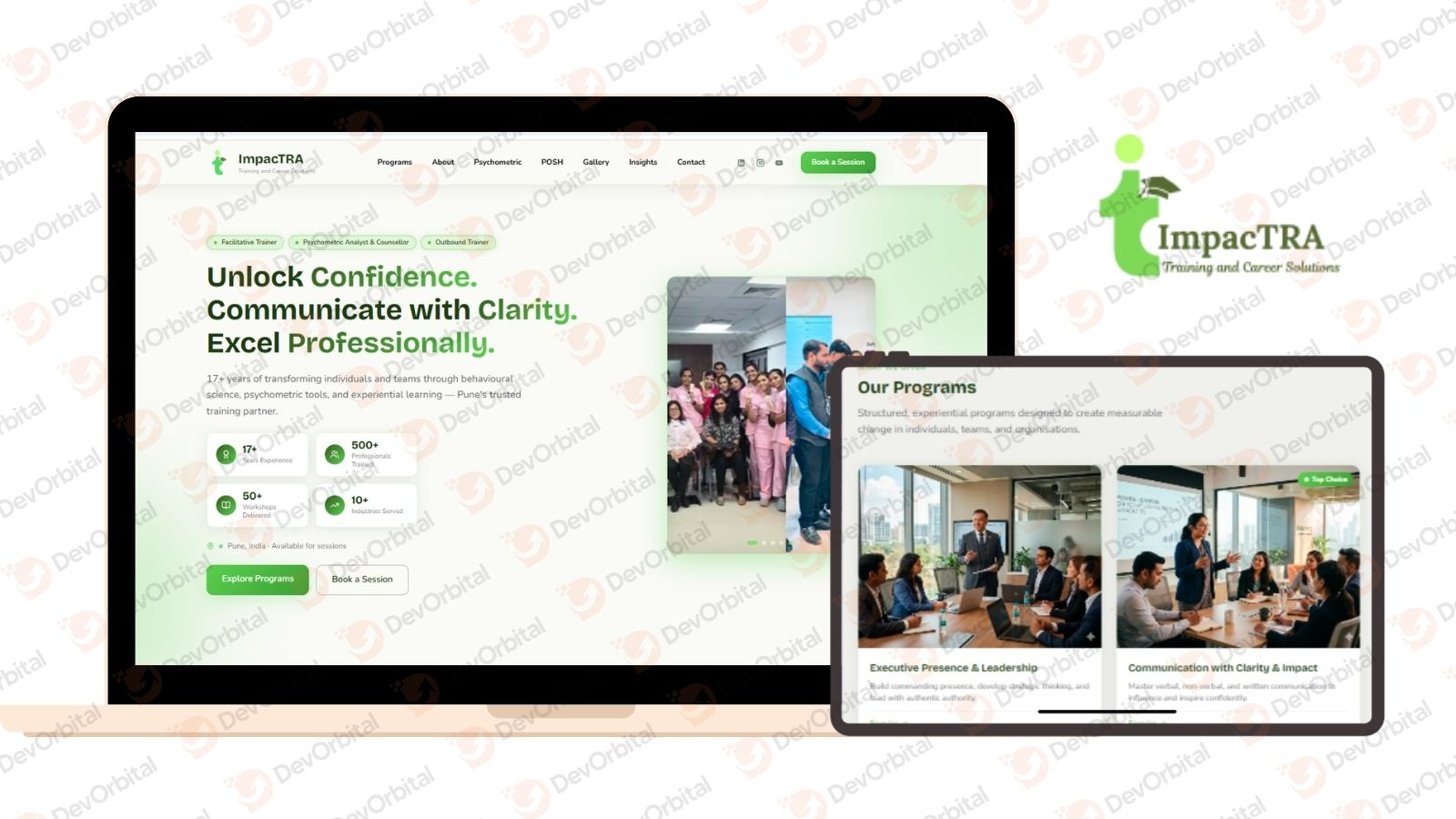
Structuring a Services Website for Corporate Training & Coaching Brands
A practical information-architecture guide for training and coaching brands: separating programmes from assessments, placing credentials, presenting named clients, and structuring enquiry flows for corporate buyers.
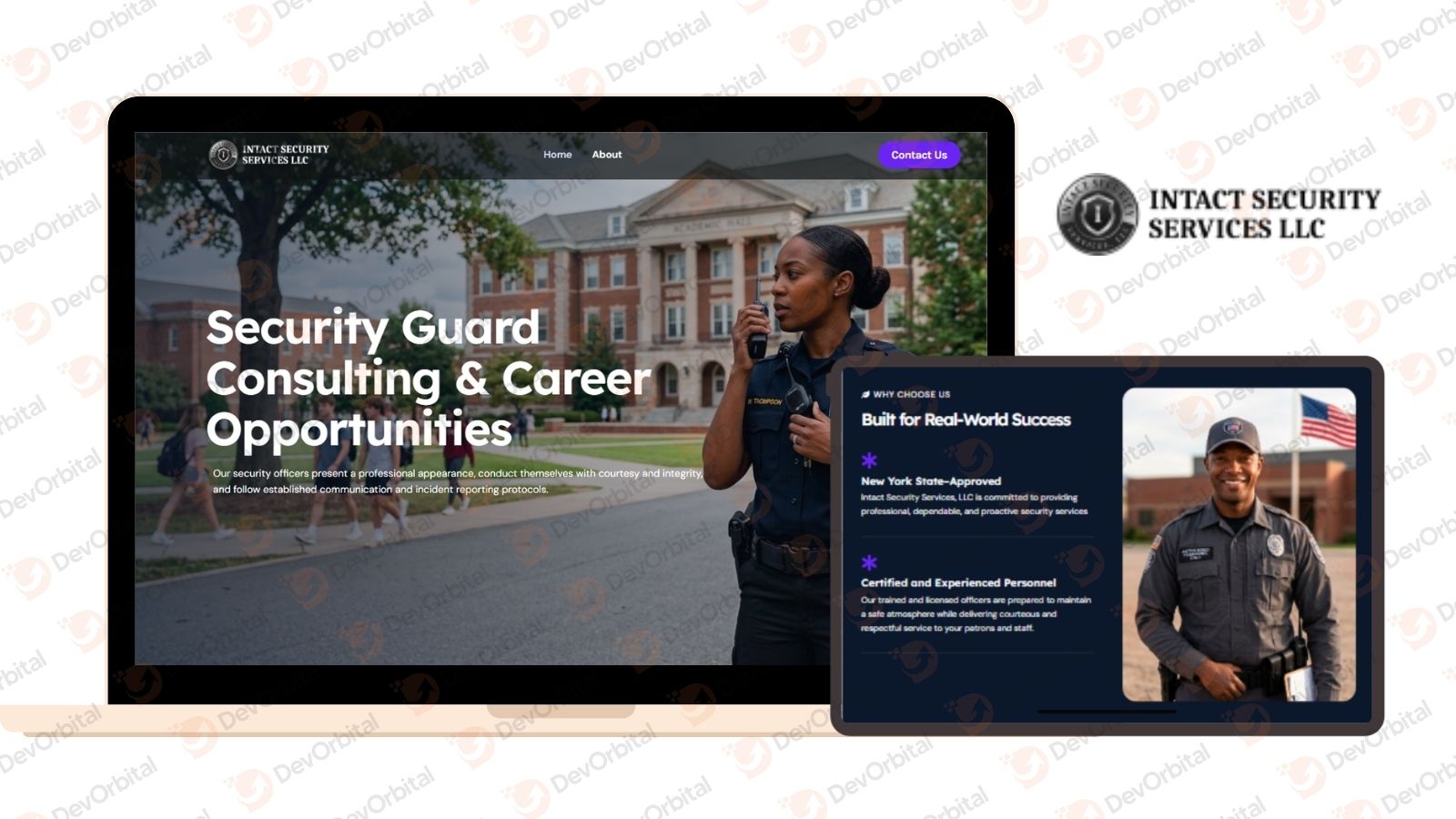
Website Development Checklist for Licensed Professional Service Firms
A practical self-audit checklist for security, compliance, healthcare-adjacent, and financial service firm owners to run their own website against — with Intact Security Services' rebuild as the worked example.
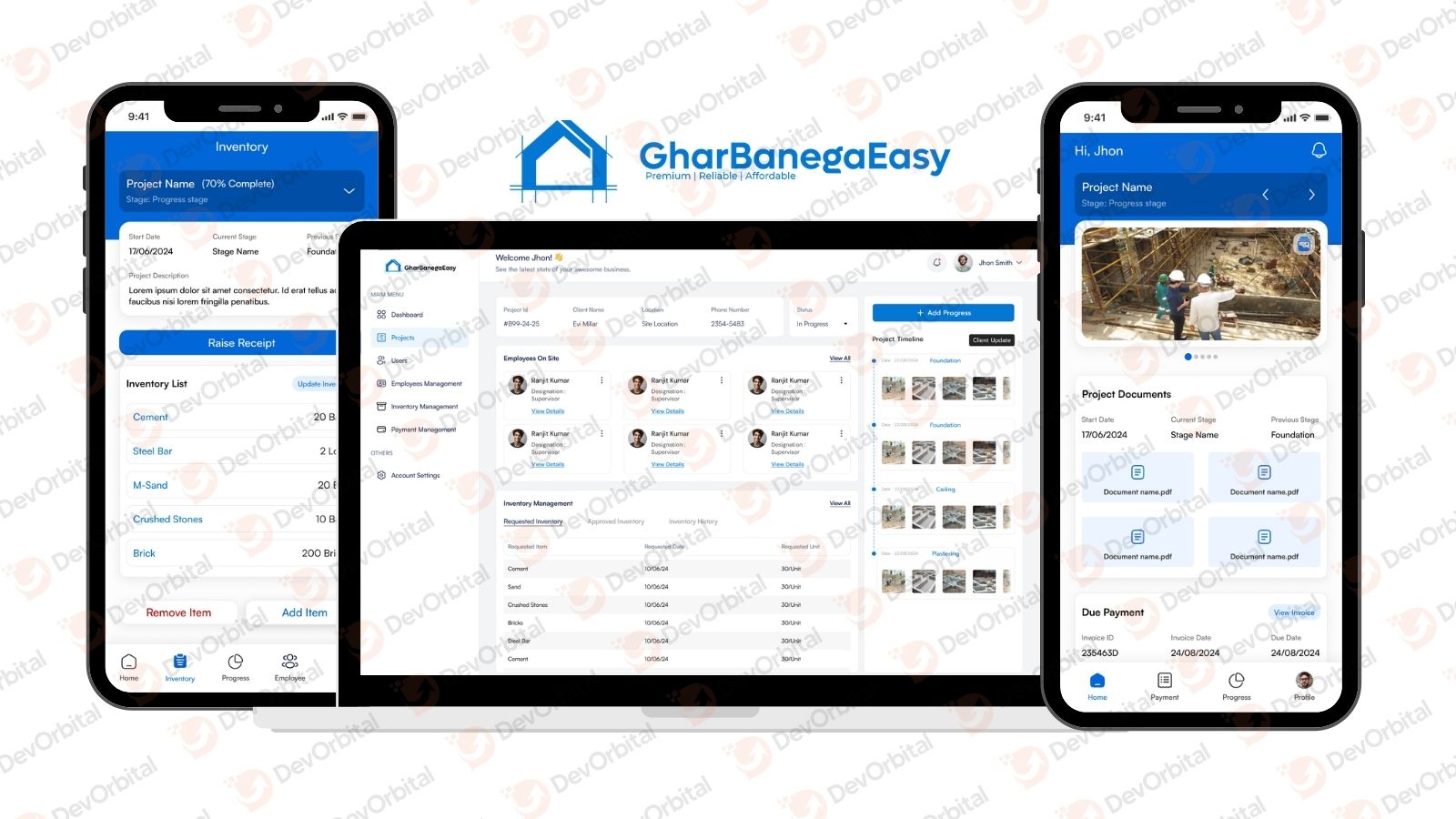
Multi-Role Mobile Apps for Field Teams: Architecture Patterns That Scale
Practical architecture patterns for founders building field-ops software — role-based permissions, offline-friendly photo capture, approval workflows, and scaling from 5 to 30+ sites without a rebuild.
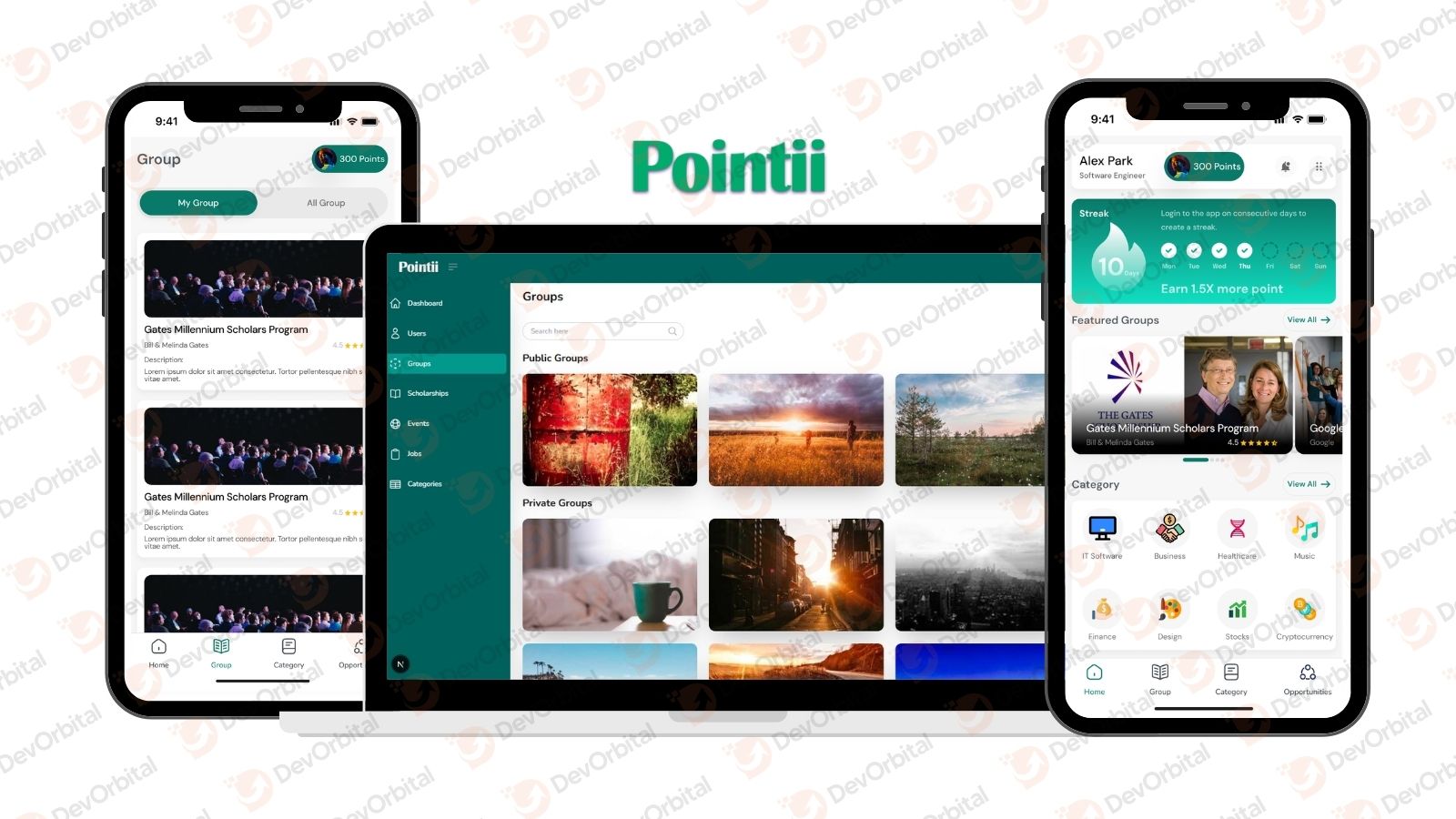
Building Trust Into a Platform That Distributes Opportunity: A Design Framework
A practical framework for founders building scholarship, job, grant, or marketplace platforms where credibility IS the product — curation workflows, admin moderation design, and how to earn trust before scale.
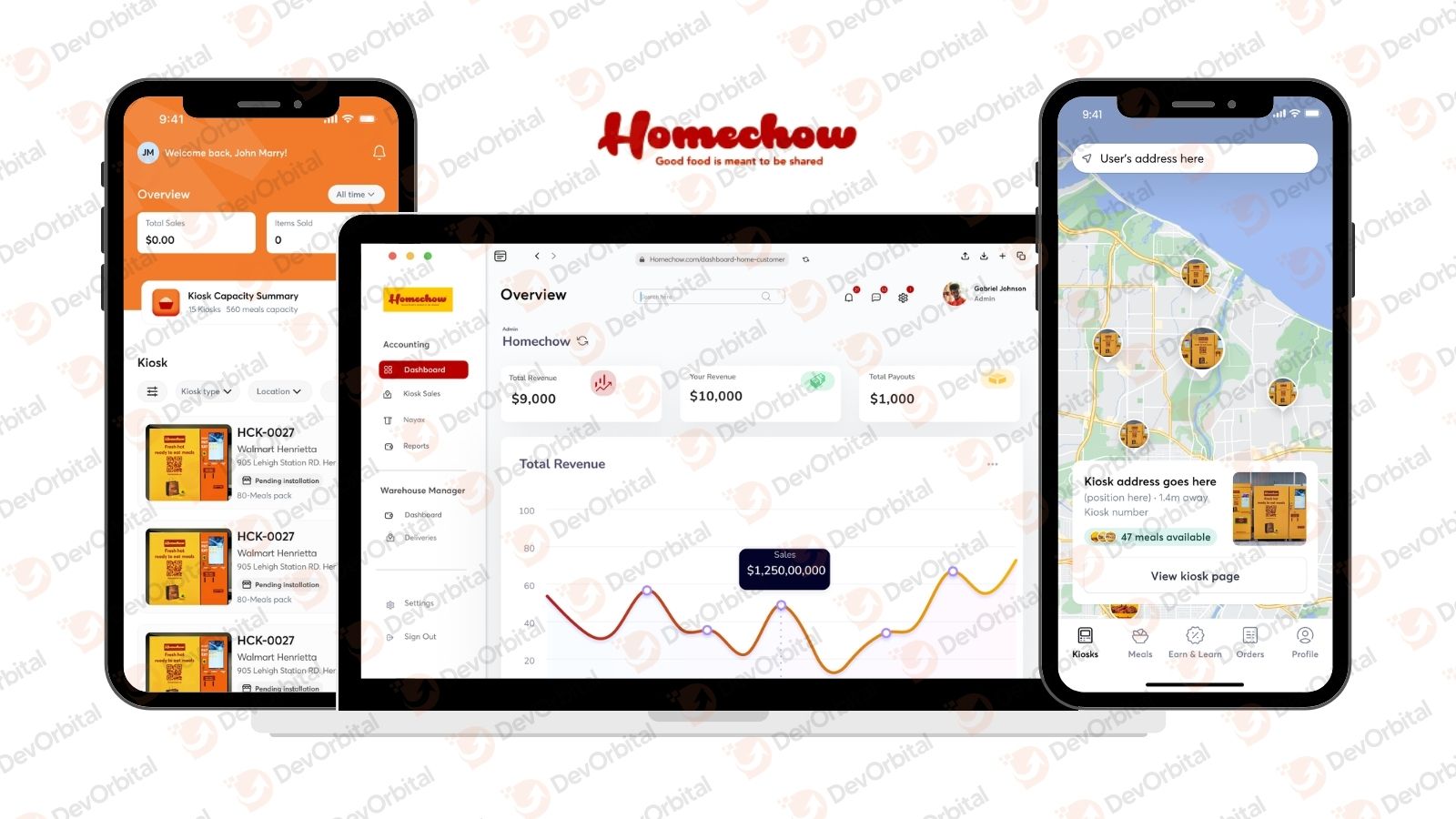
MVP to Multi-Interface Platform: A Practical Roadmap for Hardware-Connected Startups
A practical sequencing guide for non-technical founders building a product that spans hardware plus multiple apps — what to build first, how to avoid a big-bang launch, and how to structure your team.

From Word-of-Mouth to Website: A Digital Strategy Guide for Consultants and Trainers
A practical guide for coaches, trainers, and consultants who've outgrown referrals-only growth and need a website that matches their actual depth of experience.

Why Compliance-Heavy Service Businesses Need Credibility-First Websites
Security firms, healthcare-adjacent businesses, financial services, and other licensed operators lose institutional buyers in the first 10 seconds if their site doesn't prove credibility up front. Here's what has to be visible, and why.

Digitizing Construction Operations: From Paper Logs to Photo-Verified Dashboards
Why construction and field-ops software still lags other industries, and what modernizing actually requires — proof-based workflows, role-specific interfaces, and vendor automation.

Gamification in EdTech: What Actually Drives Student Engagement (and What's Just Noise)
Points, badges, and leaderboards aren't automatically engaging. Here's what actually moves retention in EdTech gamification, and what's decoration — with a 50,000+ student platform as proof.

How to Build Software for IoT Vending & Smart Retail Kiosks
What makes vending and smart kiosk software genuinely hard — machine-level integration, real-time sync, and multi-interface coordination — and a decision framework for sequencing the build.

Inside the Build: Taking a 17-Year Training Practice From Referrals to a Real Digital Front Door
How we built ImpacTRA's website — a credibility-first site for a 17-year behavioural-science training practice with clients like L'Oréal, Emirates, and Manipal Hospitals, moving them off referrals alone.

Inside the Build: A Credibility-First Website for a Licensed Security Firm
How DevOrbital rebuilt Intact Security Services' website to lead with NY State licensing, insurance, and leadership credentials — before ever listing a service.

Inside the Build: Bringing Real-Time Visibility to Construction Site Operations
How DevOrbital replaced site visits with a proof-first, multi-role app for GharBanegaEasy — and helped a construction business scale from 5 to 30 concurrent projects.

In-House Dev Team vs. Agency: A Cost & Speed Comparison for 2026
A realistic breakdown of what an in-house team actually costs versus a dev agency retainer — salary, hiring time, management overhead, and how fast each can actually move.

Logo & Brand Design for Tech Startups: What Actually Builds Trust
Why some tech startup brands look funded and credible from day one while others look amateur no matter how good the product is — and the specific design decisions that make the difference.

Hardware Procurement for Growing Offices: What IT Teams Get Wrong
Practical hardware procurement guidance for scaling teams — standardization vs. flexibility, lifecycle planning, and avoiding the chaos of everyone picking their own laptop.

Digital Marketing for B2B SaaS: Channels That Actually Move Pipeline
An honest, channel-by-channel breakdown of what actually moves B2B SaaS pipeline in 2026 versus what generates vanity metrics — content/SEO, LinkedIn, paid search, and partnerships.

Landing Page Design That Converts: A Practical Framework
A concrete, testable framework for landing pages that convert — above-the-fold clarity, social proof placement, one CTA, and mobile performance — without vague best-practices fluff.

Signs Your Startup Needs a Technical Audit Before Raising Its Next Round
The technical red flags that show up in investor diligence — and why fixing them before diligence starts is cheaper than explaining them after it does.

Web App vs. Mobile App: Which Should You Build First?
A practical framework for deciding whether to launch web-first, mobile-first, or with both — based on user behavior, distribution, and how fast you need to validate.

Custom Software vs. Off-the-Shelf: How to Decide
A practical decision framework for choosing between off-the-shelf software and custom development — before you spend a dollar on either.

IT Infrastructure for Multi-Branch Businesses: NBFCs, Retail Chains & Franchises
A practical guide to standardizing IT and network infrastructure across branches — centralized helpdesk, consistent hardware, and one security policy, not twenty.

E-Commerce App Development: Choosing the Right Tech Partner
Checkout reliability, inventory sync, traffic spikes, and mobile conversion — what actually separates a good e-commerce build partner from a risky one.

PropTech & Construction Software Development: What Founders Get Wrong
Field connectivity, permissions, and proof-based workflows — the three mistakes that sink construction and PropTech software builds, and what to do instead.

EdTech Software Development: Lessons From Building Learning Platforms at Scale
Engagement design, multi-role access, and trust don't scale by accident. Lessons from building a learning platform that reached 50,000+ students.

Healthcare App Development: Compliance, Architecture, and What to Budget
HIPAA-aware architecture isn't a feature you add later. Here's how compliance shapes the build, and what healthcare apps realistically cost.

Custom Software Development for Fintech Startups: What's Different
Building for fintech isn't generic software plus a payments API. Compliance, security posture, and auditability change the architecture from day one.

Building vs. Buying an AI Agent: When Off-the-Shelf Tools Aren't Enough
SaaS AI tools are genuinely sufficient for some workflows and a poor fit for others. An honest framework for deciding, based on data sensitivity, workflow specificity, integration depth, and cost at scale.

AI Agent Use Cases for Small Businesses in 2026
Skip the enterprise use cases that don't fit your budget or your team size. Here are the AI agent applications that actually make sense for small businesses in 2026.

My Vibe-Coded App Is Breaking: A Rescue & Stabilization Guide
If your AI-built app is throwing errors in front of real users, here's how to triage fast, diagnose the actual failure pattern, and decide whether to refactor or rebuild.
From Prompt to Production: A Founder's Playbook for Shipping AI-Built Apps
AI tools write code in hours. Shipping a real product takes more. The 6-step playbook DevOrbital uses to take vibe-coded prototypes to production-grade apps.
MVP in 8 Weeks: The Scope-Cutting Framework That Actually Ships
The 4-stage scope-cutting framework DevOrbital uses to take 100 founder feature requests down to 8 core MVP features — and ship them in 8 weeks.
Why Your AI Agent Works in Staging and Breaks in Production
AI agents pass every staging test then fail in production. Here's what causes the gap — and the 5-layer architecture that closes it.
Custom Software vs SaaS Subscriptions: A 5-Year Total Cost Comparison
SaaS feels cheap until year 3. Custom feels expensive until year 5. The 5-year TCO comparison across three scenarios, plus the decision framework we use with clients.
Multi-Tenant SaaS Architecture: 7 Decisions Every Founder Must Make Early
Get multi-tenant architecture right at the start, or rebuild it at scale. The 7 decisions that lock in cost, compliance, and migration pain for the next 5 years.
AI Automation: When It Pays Off (And When It Doesn't)
Not every workflow is worth automating. The 2×2 decision framework, three case studies (one win, two losses), and the ROI calculation that tells you in 5 minutes.

Vibe Coding Explained: How AI-Assisted Development Changes Software Timelines
Vibe coding really does compress software timelines — just not evenly. Here's what actually gets faster, what doesn't, and how to plan a realistic schedule around it.

How to Automate Business Processes With AI (Without Breaking Them)
Most process automation projects fail because teams automate a broken process instead of fixing it first. Here's the framework we use to pick, pilot, and scale AI automation safely.
AI Agents vs. Chatbots vs. RAG: What's the Actual Difference?
Three terms that get used interchangeably and shouldn't be. Precise definitions, how they combine in real systems, and a decision table for which one fits your problem.

What Is an AI Agent? A Practical, No-Hype Explainer for Founders
No jargon. What an AI agent actually does step by step, a concrete walkthrough of one working, and an honest list of what it still can't reliably do.

AI Automation Solutions: The Complete Guide for Non-Technical Founders
Which parts of your business are actually good automation candidates, how to scope a pilot that proves ROI in weeks not quarters, and what returns to realistically expect.

AI Development Help: 7 Signs You Need an AI Development Partner
DIY AI builds work fine until they don't. Here are 7 concrete signals your team should stop building AI features solo — and what a real partner actually fixes at each one.

How to Build a Remote Development Team You Can Actually Trust
Trust in a remote dev relationship isn't a feeling — it's built through specific mechanisms. Here's what actually makes a remote team trustworthy.

Freelance Developers vs. an Agency: What Actually Ships Faster
A freelancer is faster when scope is small and simple. An agency wins as soon as scope, risk, or timeline pressure grows. Here's the honest breakdown.

How to Hire a Fractional CTO Without Overpaying
Fractional CTO pricing varies wildly and scope is often vague. Here's what to actually pay for, what should be included, and the red flags to avoid.

Nearshore vs. Offshore Software Development: Which Is Right for You?
Nearshore and offshore development trade cost, timezone overlap, and communication ease against each other differently. Here's a framework for choosing.

Offshore Software Development: A Practical Guide for US & UK Founders
Offshore development works when you build the right operating rhythm around it. A practical guide to timezone overlap, communication, IP, and quality control.

Dedicated Development Team vs. Outsourcing Agency: Pros, Cons, Costs
A dedicated team and an outsourcing agency solve different problems. Here's how control, cost structure, and continuity actually differ between them.

How to Hire Developers, PMs, and QA Without Building an Internal HR Pipeline
You need a working team, not a recruiting department. Here's how staff augmentation gets you developers, PMs, and QA without the internal hiring machinery.

How to Hire AI Developers: In-House vs. Agency vs. Freelance
AI engineering talent is scarce and expensive. Here's the honest tradeoff between hiring in-house, going through an agency, or contracting a freelancer.

Managed IT Services Pricing: What's Actually Included at Each Tier
Real per-seat managed IT pricing tiers, and what's genuinely included at each — from helpdesk-only to a full outsourced IT department.

Cloud Infrastructure Cost Breakdown: What Startups Actually Spend
Real monthly cloud spend by startup stage — pre-launch, early traction, scaling — plus the cost drivers and cost-control practices that keep the bill honest.

Website Development Cost in 2026: What a Real Quote Should Include
Website cost by complexity — marketing site, CMS-driven, or custom features — and the line items a legitimate quote should break out so you can spot a vague one.

AI Agent Development Cost: A 2026 Pricing Guide
AI agent cost by complexity, tooling, and human-in-the-loop needs — plus the ongoing LLM API spend most quotes leave out entirely.

SaaS Development Cost in 2026: What You're Actually Paying For
SaaS build cost broken down by feature scope — multi-tenancy, billing, auth, admin tooling — plus the ongoing infrastructure cost founders forget to budget.

How Much Does Custom Software Development Cost? A Real-World Breakdown
Custom software cost broken down by project scope and team size, plus fixed-price vs. time-and-materials — the tradeoffs buyers actually need to weigh.

How Much Does It Cost to Build a Mobile App in 2026?
Real mobile app cost ranges by complexity, the native vs. cross-platform tradeoff, and the integrations that quietly double a budget.

MVP Development Cost & Timeline: What to Expect in 2026
Real MVP cost ranges by complexity tier, honest timelines, and the variables that actually move the number. No fake precision — just the ranges founders can plan around.

Best Cybersecurity Consulting Firms for SMBs
Enterprise-grade cybersecurity advice is usually the wrong advice for a 20-person business. Here's how to evaluate a cybersecurity partner that fits SMB risk, budget, and compliance reality.

Best IT Support & Managed Services Company for Growing Businesses
A growing business outgrows reactive IT support fast. Here's what to actually evaluate in a managed IT provider — response SLAs, proactive monitoring, and multi-location readiness — before you sign.

Best CTO-as-a-Service Providers: When to Hire a Fractional CTO
A fractional CTO solves a specific problem: technical leadership without a full-time executive hire. Here's when you actually need one, and how to evaluate a provider before you commit.

Best AI Development Company for Startups: What to Look For
Most 'AI development' vendors can write a good prompt. Few can ship an agent that survives real production traffic. Here's how to evaluate the difference before you sign a contract.

Best Website Development Company for Service Businesses
Service businesses don't need a portfolio site — they need a credibility engine that captures leads. Here's the exact criteria to evaluate any website development partner against.

Best SaaS Development Company: Build vs. Buy vs. Outsource
A decision framework for SaaS founders weighing in-house build, no-code, and an outsourced dev partner — plus the criteria for choosing the outsourced option well.

Top Web App Development Companies: How to Shortlist in a Weekend
A fast, practical process for shortlisting web app development companies in a weekend — portfolio review, technical interview questions, and red flags from the first call.

Best Mobile App Development Company: A Founder's Evaluation Checklist
A practical checklist for founders choosing a mobile app development company — native vs. cross-platform judgment, store launch experience, design handoff, and iteration speed.

Best Custom Software Development Companies: What Separates the Top 1%
Architecture ownership, code quality practices, and post-launch support are what separate top custom software development companies from the rest. Here's how to evaluate for each.

Best Software Development Agency in 2026: How to Choose the Right Partner
A criteria-driven framework for evaluating software development agencies — technical depth, communication, process transparency, pricing, and portfolio proof.
Ready to start?
Ready to Build Something Great?
Let's talk about your product, your goals, and the fastest path to getting there. No pressure — just a real conversation.